





Clerestory

A clerestory is a type of window that is usually found at or near the roof line. It often takes the form of a band of windows across the tops of buildings that allow natural light in without compromising privacy or security.
In Roman architecture, clerestories were often used to light large halls where the interior walls were far apart from the structure’s exterior walls. Semi-circular windows were often built above the side roofs using groined vaults.
While clerestories were common features during the Roman and Gothic periods of architecture, they are still found today in large buildings such as halls, train stations, gymnasiums, and so on. In domestic buildings, they may take the form of a narrow band of windows along the top of a wall.
NB Short Guide, Scottish traditional shopfronts, published, on 18 April 2017 by Historic Environment Scotland, defines a clerestory as the: ‘Upper part of a shop window which may be decorated with stained or painted glass or opaque glass. May also be used for display of names or products.’
[edit] Related articles on Designing Buildings
Featured articles
Check out some of the best features and news from Designing Buildings as well as key stories from around the web.
Industrial heritage in the Ruhr

A marked difference to the fate of industrial landscapes in the UK.

Communities will be able to build their own clean energy.
Why diversity and inclusion matters for SMEs

CIOB’s D&I Charter shows how practical changes can support long-term growth.
Cut electricity bills to power growth

Coalition sends joint letter to the Chancellor.

Gasholders: a history in pictures. Book review.
Recognition, influence and growth

SocEnv identifies three strategic pillars in new strategy to 2045.
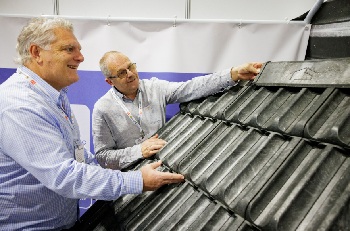
Discover the future of roofing, cladding and insulation.

New guidance for professional practice, cultural change and regulation in social housing.

The heritage of nuclear and conventional power stations.
New measures to stop people being ripped off

Government to protect families from cowboy builders and aggressive bailiffs.

New Futurebuild showcase brings an innovation-first approach.
National Planning Policy Framework
Understanding the 2026 changes.